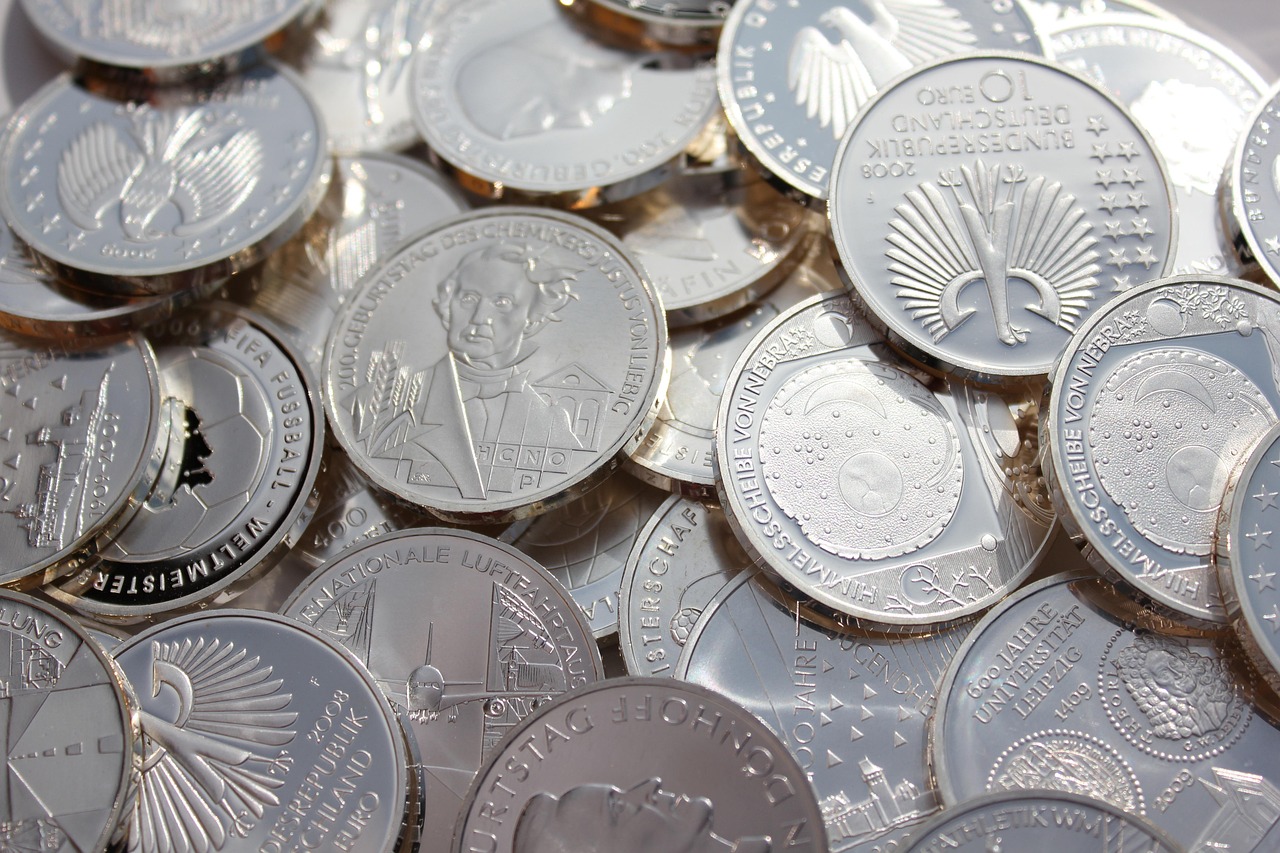
Silver is unique in the financial world because it has a "dual nature": it is both a monetary asset (a store of value) and a key industrial commodity.
Key characteristics
- Inflation hedge - historically, silver has preserved its purchasing power when fiat currencies (euro, dollar) lose value.
- Affordability - because of its lower price compared to gold, it is ideal for small, periodic investments (so-called dollar cost averaging).
- Industrial necessity - unlike gold, silver has far wider industrial applications. It is indispensable in electronics, medicine and renewable energy (solar panels), which creates constant baseline demand. Over 50% of annual silver production is used for industrial purposes, and it has over 10,000 different uses, making it the second most widely used commodity after oil.
- Correlation - silver often moves independently of the stock market, which makes it an excellent tool for portfolio diversification.
- High volatility - the silver market is relatively small. A small amount of capital can trigger huge moves up or down. Compared to gold, silver is more volatile.
- No passive income - silver, like gold, pays no dividends or interest and does not generate any additional added value, unlike companies. The only profit comes from the difference between the purchase price and the sale price.
- Storage costs - if you hold physical silver, it takes up far more space than gold of the same value.
- Investment silver has a fineness of 0.999.
- Sterling silver is any silver with a fineness of 0.925. This is the most common purity standard for the metal and is used for both jewelry and cutlery. Although it cannot be regarded as investment silver, products of this fineness manage to hold their value.
Investing in physical silver is suitable for people who want full control and protection in the event of a collapse of the banking system.
Taxation in Bulgaria
- Unlike the purchase of physical gold, in Bulgaria and the EU investment silver is not exempt from value added tax (VAT). When you buy bars or coins, you pay 20% VAT. This means that immediately after buying it as an individual you are 20% "in the red", because when you sell, the dealer will buy it back at a price excluding VAT.
- When an individual resells physical silver in Bulgaria, the income is treated as income from the sale or exchange of movable property. Since silver is not investment gold (which has a special regime), it falls under the general rules of the Personal Income Tax Act (ЗДДФЛ). The taxable income is the positive difference between the sale price and the acquisition price. If you are an individual and sell silver at a profit, you owe 10% income tax.
- The law does not provide for a statutory 10% expense allowance (unlike gold and real estate).
- An annual tax return under Art. 50 of ЗДДФЛ is filed. The income is reported in Annex No. 5 (Income from the transfer of rights or property)
- The filing window runs from January 10 to April 30 of the year following the year of sale. The tax is paid into the National Revenue Agency's (NRA) account within the same deadline.
- For full accountability to the NRA, you should keep documents evidencing the acquisition price and the sale price. If you cannot prove the acquisition price with a document, the NRA may treat it as 0 lev (BGN) and tax you on the entire sale amount.
- Merely holding physical silver is not declared to the NRA (unless other circumstances require it).
Example
- You bought a silver bar for 500 euro including VAT - acquisition price
- You later sell it for 900 euro excluding VAT - sale price
- Profit (taxable base) = 400 euro - no statutory 10% expense allowance is deducted
- Tax due (10%) = 40 euro